A traumatic event is a dangerous, frightening, or violent event that threatens one’s life, safety, or bodily integrity. This includes witnessing a traumatic event that threatens the life or physical security of a loved one. For young children, their sense of safety depends on the perceived safety of their attachment figures (National Child Traumatic Stress Network).
Responses to Trauma
Hyperarousal responses include fight or flight; when you encounter a threat, you either resist, retaliate, or simply flee. Other trauma responses include freezing and fawning. These responses are done out of fear; freeze happens when your fear is so great you cannot take any action. Fawn is when you try to please your abuser in hopes that the abuse will stop or the abuser will not retaliate against someone you love (i.e., a family member). During states of hyperarousal, one may often display hypervigilance, anxiety, panic, or increased heart rate. These symptoms may arise later in the form of panic attacks (Perry, 2004).
What Happens to our Brain?
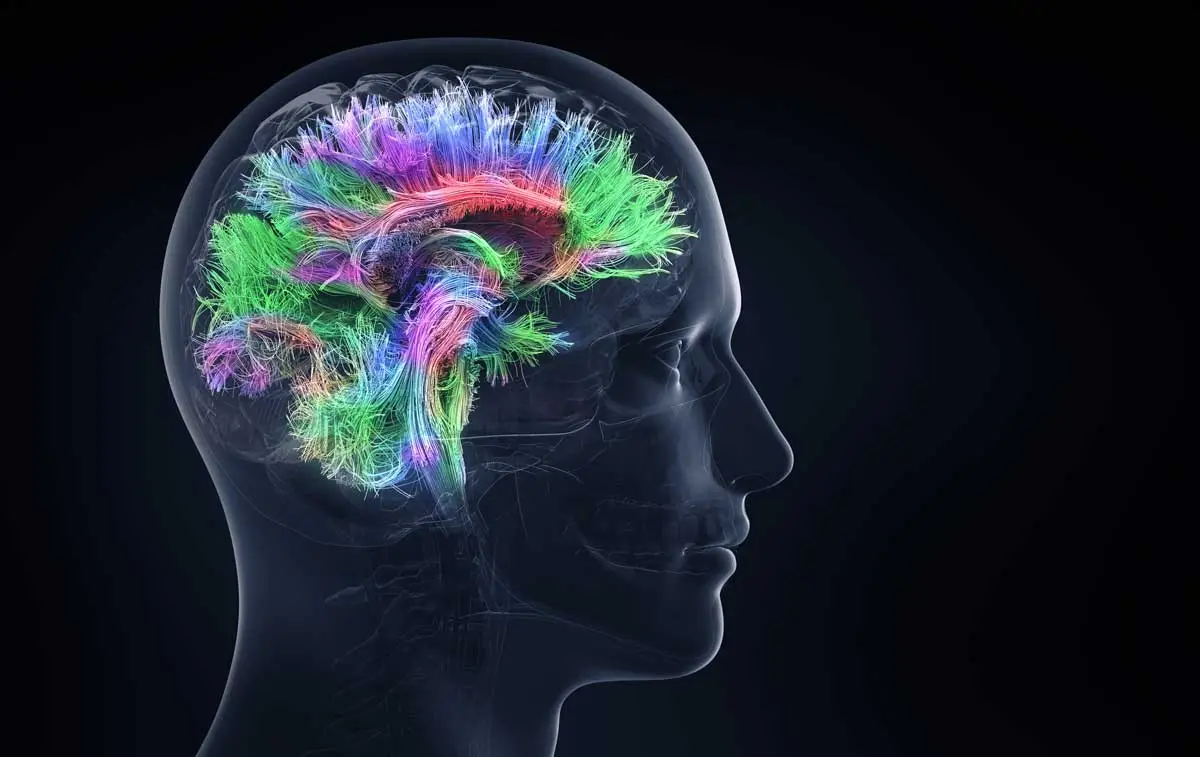
The prefrontal cortex reduces in volume and is less active. This area of the brain is our ration
al thinking brain which regulates our emotions and provides.
The hippocampus shrinks. This area of the brain oversees memory, helping us to differentiate time between the past and the present.
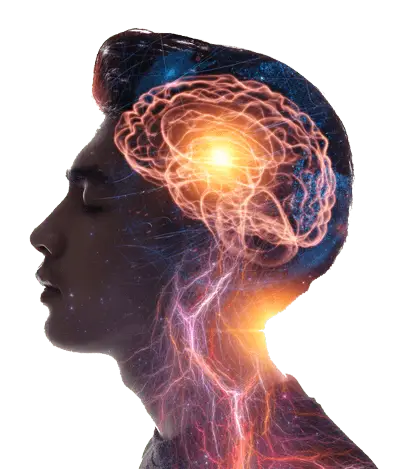
The amygdala, which is known as our survival brain, becomes hyperactive. An overly active amygdala sends the message that we are in danger and disrupts our capacity to think rationally (Lebow, 2021).
Effects of Trauma
The effects of early life trauma can lie dormant in the brain until later life. The impact of these hidden effects is that, by adolescence, eighty percent of abused children will be diagnosed with a major psychiatric disorder. Imaging studies of abuse survivors often show that brain areas controlling emotion and cognition are abnormal and underlie these psychiatric disorders and difficulties functioning in the world (Sullivan, 2012).
Some of the following mental health disorders have been shown to result from trauma (American Psychiatric Association, 2013):
Dissociative Identity Disorder
Post-Traumatic Stress Disorder
Mood Disorders
Anxiety Disorders
Substance/Alcohol Use Disorder
Borderline Personality Disorder
Reactive Attachment Disorder
Treatments for Trauma
There are various treatments for those who have experienced trauma, some of which have been found to help change particular areas of the brain and nervous system that causes hyperarousal states. Trauma Therapy, EMDR, and medication, if warranted, can all alleviate the effects of prior trauma.
Enhancing neuroplasticity, the ability of the brain to form and enhance synaptic connections, can be achieved through some of the following activities (Shaffer, 2016 & Lazar, 2016):
Intermittent fasting
Traveling
Aerobic exercise
Meditation
Learning a musical instrument
Non-dominant hand exercises
Reading fiction
Expanding your vocabulary
Creating artwork
Dancing
The following activities can offset the effects of hyperarousal:
Grounding exercises using your senses, such as walking barefoot on the grass or sand
Noticing five things you see, hear, feel on your body, smell, and taste
Inaugural Margaret McCain Lecture by Perry, B. D. (2004). Maltreatment and the Developing Child: How Early Childhood Experience Shapes Child and Culture
Nurick, J. (2020) NYU Langone Medical Center / New York University School of Medicine. (2014). Sleep After Learning Strengthens Connections Between Brain Cells and Enhances Memory. ScienceDaily. www.sciencedaily.com/releases/2014/06/140605141849.htm
Sullivan R. M. (2012). The Neurobiology of Attachment to Nurturing and Abusive Caregivers. The Hastings law journal, 63(6), 1553–1570erve
Wikipedia contributors. (2022, July 27). Verve. In Wikipedia, The F3:18, October 14, 2022, Lebow, H. I. (2021). The Science Behind PTSD Symptoms: How Trauma Changes the Brain. Medically reviewed by Kendra Kubala, PsyD. https://psychcentral.com/ptsd/the-science-behind-ptsd-symptoms-how-trauma-changes-the-brain#next-steps
Ever feel like past experiences are holding you back from reaching your full potential? Many people carry the weight of trauma that affects their everyday lives, but with the right support, growth is possible. Therapy can be an essential tool for personal growth, especially when it comes to moving beyond trauma. Trauma-focused therapies, such as…
Being a single mom isn’t a personality trait. It’s a full-time job you never clock out from — even on the days you’re running on fumes, guilt, or microwave mac and cheese. This isn’t a “just think positive” list. You’re not here for that. This is a set of emotional survival tools built from experience…
Are you looking for a counselor near you in Tampa, St. Petersburg, or Sarasota, FL, who offers individual counseling, couples counseling, or family therapy? McNulty Counseling and Wellness may be the perfect fit for you. If you’re new to the area or need to find a new counselor, it’s important to do your research to…
What is Somatic Therapy? Somatic therapy is a holistic approach to treatment that focuses on the connection between the mind and body. Unlike traditional talk therapy, somatic therapy integrates physical sensations and bodily awareness into the therapeutic process. This form of therapy is based on the premise that psychological stress and trauma are not only…
When a child struggles with ADHD, finding the right support can transform their entire future. Let’s explore how specialized therapy helps children harness their unique strengths and overcome challenges. What is ADHD in Children? Attention Deficit Hyperactivity Disorder (ADHD) is more than just difficulty focusing or excess energy. It’s a neurodevelopmental condition that affects how…
In today’s fast-paced world, taking care of our mental health is more important than ever. With the rising awareness of mental health issues, many people are turning to the internet to search for “mental health therapy near me,” seeking therapy or counseling to navigate the complexities of life. If you’re located in St. Petersburg, Florida,…