
Trauma Counseling in St. Petersburg
When the past still feels like the present, it’s time to get support.
- 99% First-Time Therapist Match Success
- 30+ Years of Expert Therapy
- Live answer+ Free Consultation
- Sustainable and Lasting Results

Is This Trauma? Here’s How It Might Be Showing Up
Not all trauma looks the same. You don’t need a specific diagnosis or a single defining event to be struggling. Trauma can be chronic, subtle, or even invisible from the outside. But the effects are real — and they’re valid.
Emotional & Mental Symptoms
- Anxiety or panic out of nowhere
- Flashbacks or intrusive memories
- Feeling emotionally numb
- Overthinking or shutdown responses
- Sudden mood swings or anger
- Persistent shame or guilt
Physical & Behavioral Symptoms
- Sleep issues or nightmares
- Hypervigilance (always on edge)
- Avoiding people or places
- Chronic fatigue or tension
- Difficulty trusting others
- Using substances or distractions to cope
If any of these feel familiar, you don’t have to figure it out alone.
How Trauma Counseling Helps You Heal
Healing from trauma doesn’t mean going back and reliving every painful memory. It means learning how to feel safe again — in your body, your relationships, and your everyday life.
Our approach is grounded in compassion, science, and pacing that honors your readiness. We don’t push. We walk beside you.
EMDR
If you’re stuck in painful memories or flashbacks, EMDR can help you process those memories in a way that feels safe and manageable, without having to go into every detail.
CBT
Trauma can twist how we think about ourselves. CBT helps you untangle harmful thoughts — like shame or self-blame — and replace them with thoughts that are more grounded and clear.
Somatic Therapy
Trauma isn’t just in your mind; it’s something your body remembers. Somatic therapy focuses on where that stress is stored physically and helps you release it.
Trauma Therapy is for All
We help you understand yourself better, explore your feelings and lead your path to trauma treatment.

Licensed Trauma Therapists in St. Petersburg
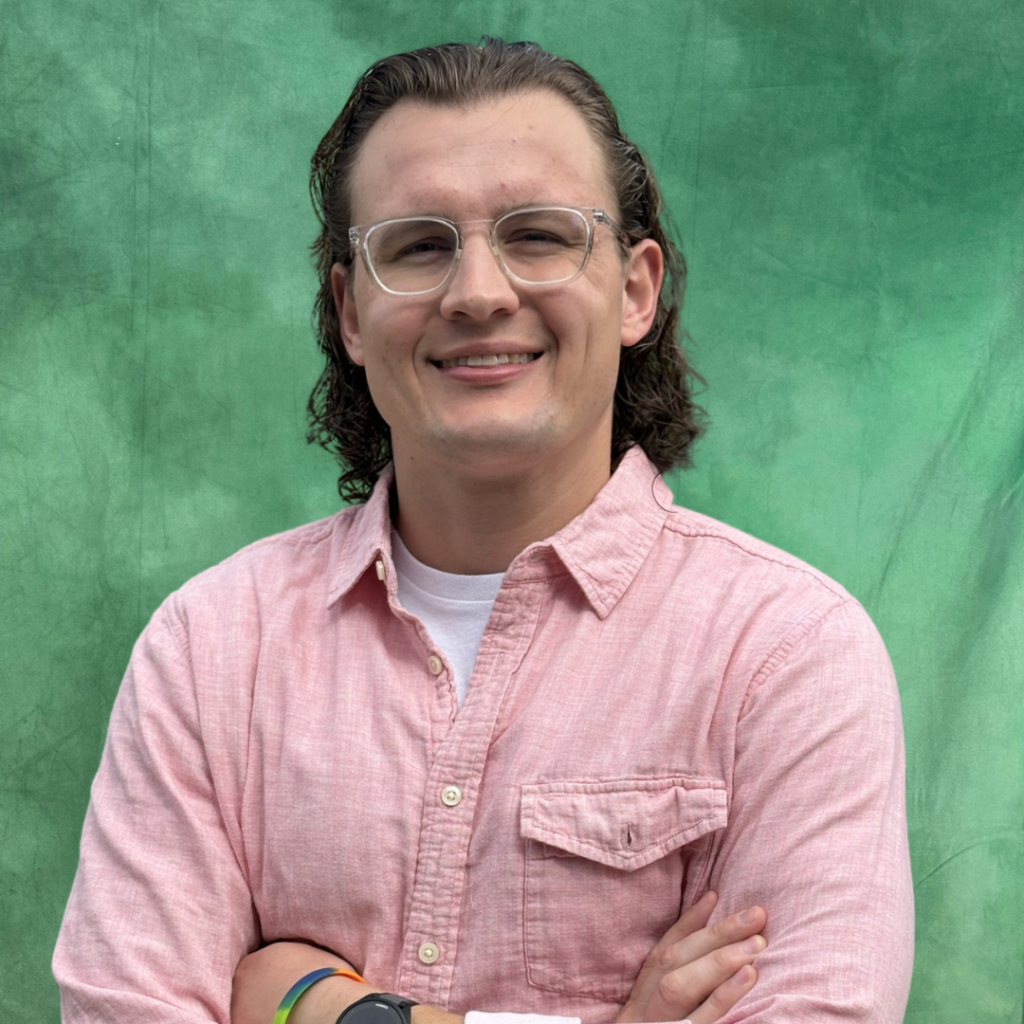
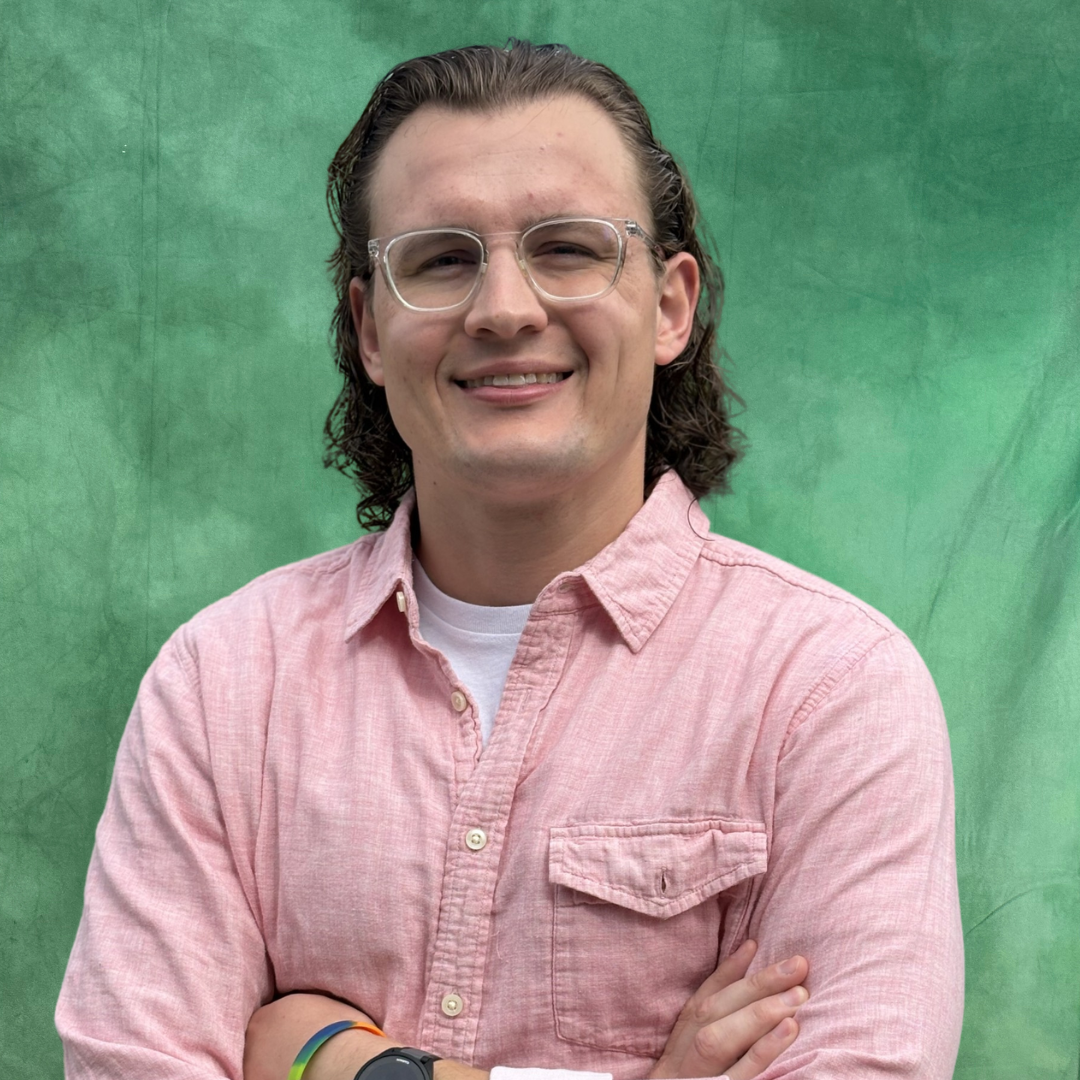
Levi Draper
Nice to meet you
Registered Mental Health Counselor Intern (RMHCI)
Hey! I strive to help people learn, heal, and grow through life’s challenges. Honesty, empathy, and courage form the foundation of my therapeutic relationships. Combined with clear, individualized, evidence-based practice I look forward to walking alongside your struggles while helping you to move towards a value-driven life.
I work in Tampa
My hourly rate is: $150 for individuals
Areas I specialize in:
Anger Management, Stress, Anxiety, Depression, Trauma, Emotional Regulation/Mood Management, Coping Skills, Communication/Relationship Issues, Teens/Young Adults, Adults, Families, Behavioral Issues, Life Transitions, Self-Esteem, Meaning & Purpose, Personality Psychology, Faith-Based Counseling, Men’s Counseling, Women’s Counseling
Let’s get to know each other!
Life is tough, people are tougher. I have seen and worked with people who have overcome immense struggles in pursuit of purposeful, meaning-filled lives. I believe you can do the same. Connection, purpose, and clarity drive my work with patients and ensure that authentic communication remains at the core of our mission together. Understanding, respect, generosity, and compassion are at the base of any therapeutic relationship and are something I strive to maintain throughout treatment. Whether it is a previous trauma, major loss, difficult life change, or even a struggle to get out of bed in the morning you deserve to be well. We will work together to find a defined, clear, thoughtful path forward in your life – even if that means walking through some really tall weeds to get there.
I combine an ever evolving theoretical understanding of psychology with real-world tools. My years in settings ranging from community mental health to severe psychiatric care have given me a broad-perspective on mental health, and allows me to combine everything from existential philosophy to everyday habits for an individualized treatment plan. With everything from a bit of humour to a lot of listening, my goal is to provide attentive, passionate, thoughtful care at every step.
I am versed in a number of psychological interventions (Cognitive Behavioral Therapy, Acceptance and Commitment Therapy, Dialectical Behavioral Therapy, Motivational Interviewing, Humanistic/Existential Therapy, TF-CBT, Art Therapy, Person-Centered). Currently, I am also trained in and practicing EMDR (Eye Movement Desensitization and Reprocessing), and am receiving supervision to become EMDR certified. EMDR has done wonders for clients facing a variety of previous traumas, and is a fantastic option to consider and discuss.
If the boot straps haven’t been working, and everyone else seems to have a hard time “understanding the problem” it is time for a change. My goal is to encourage and equip you with the right skills, tools, and perspectives. There are many places where people can learn, heal, and grow, and if therapy is the next right step for you I would be grateful to walk with you through that process.
A bit more about me…
In my personal life, I am a natural introvert with a passion for hearing the stories of others. Born and raised in a small town in Texas surrounded by cows, dogs, cats, and plenty of mesquite trees, I have been striving to learn about the big, bold world ever since. At a young age I became fascinated with learning the ideas, opinions, perspectives, and insights of others. After a childhood of sports, outdoors, books, and lots of documentaries I earned my B.S. in Psychology and M.S. in Clinical Psychology at Abilene Christian University. I was able to spend considerable time in a variety of clinical, educational, and research settings related to psychology during my studies. Ever since, I have worked with the full spectrum of mental health disorders and experienced nearly everything in between. I continue to grow, and whether it is a podcast, book, or just a conversation with a friend, I am constantly fascinated by how much I have left to learn in this world.
If you’re looking for me outside of work, I am either annoying my daughter, pretending to lift weights at the gym, diving deep into a podcast on quantum physics and parallel universes (which I still do not understand), or playing sous chef to my wife. I am also a selective clean freak, History Channel connoisseur, still unsure exactly how my phone works, and am always up for a deep philosophical/existential conversation. My hometown has one blinking light and yes, I was the only one who never owned a pair of cowboy boots at my high school (Van’s all the way.)
“Stop and smell the flowers” – Ferdinand the Bull
My Fun Facts:
- I live with my wife and toddler daughter in a quaint two-bedroom apartment on a “nature preserve” (just a few alligators hanging out underneath cars).
- I moved to Florida as an aspiring surfer, but have settled on being a stand-up paddleboarder.
- In another life, I will become a stand-up comedian. In this life, I cannot wait to embarrass my children as they grow older.
- Ice cream was invented to help me survive dad-hood.
- Theology and philosophy are some of my favorite past times, but I am still learning to pronounce most of the words.
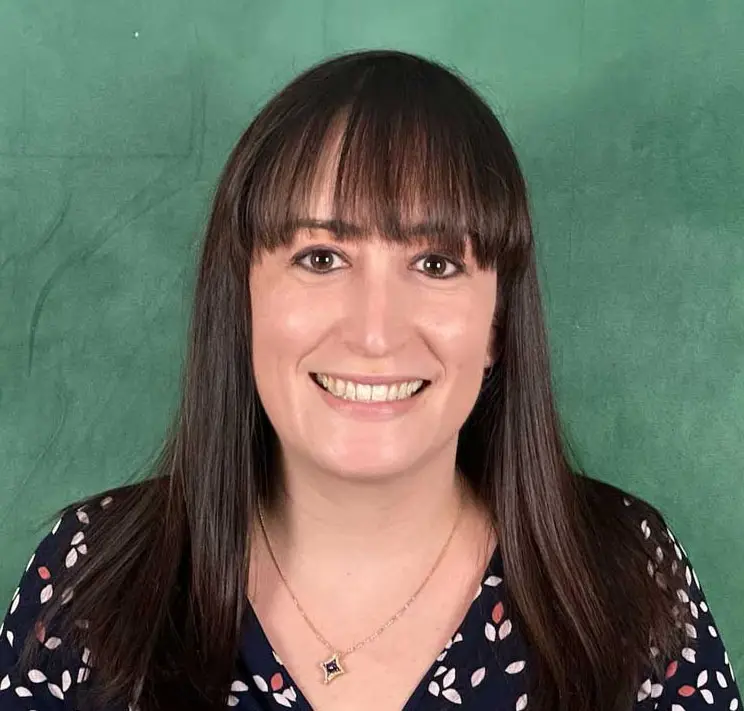
Rachel DeStefano
Nice to meet you!
Licensed Marriage and Family Therapist (LMFT), Licensed Mental Health Counselor (LMHC), Master’s Level Certified Addiction Professional (MCAP)
I believe everyone has a voice that is worthy of being heard, and everyone is worthy of feeling seen. But it is not uncommon to believe that our voice does not matter and that our words are insignificant.
I work in St. Pete – Tyrone
My hourly rate is: $185 for individuals and $235 for couples
My specialties are:
Couples Counseling, Marriage Therapy, Trauma and PTSD, Anxiety Treatment, Depression Treatment, Grief Counseling, Self-esteem Issues, Constructive Communication, Setting Healthy Boundaries
Let’s get to know each other!
I am a Licensed Mental Health Counselor and Licensed Marriage and Family Therapist. I have worked in outpatient settings, inpatient stabilization units, therapeutic communities, and residential facilities. I have worked with individuals, couples, families, and groups.
I specialize in trauma, anxiety, depression, communication, and boundaries. I believe in seeing everyone as their own person, and I cater my therapeutic approach accordingly. Sometimes traditional talk therapy is most helpful. Sometimes I utilize more unconventional and experiential methods. I like to help my clients recognize their patterns of thinking, feeling, and behaving and work with them to improve these patterns, so they have a better relationship with themselves and with others.
A bit more about me…
I believe everyone has a voice that is worthy of being heard, and everyone is worthy of feeling seen. But it is not uncommon to believe that our voice does not matter and that our words are insignificant. We may feel ignored, neglected, unsupported, and invalidated. When this happens, we may turn inward and make ourselves and our needs very small.
We may lash out and get loud so that others will hear us. Or we may turn to substances, food, relationships – anything to fill this void we feel inside. We have these unmet needs at our core, and we are not always sure how to meet them in healthy ways. My goal is to help you identify what is missing, help empower you to find and use your voice, assist you with connection to yourself and with others, and find healthier ways to cope when life becomes messy and overwhelming.
We all experience trauma – whether it feels big and obvious or maybe it is a bit more subtle. Sometimes we do not realize how this trauma is impacting us daily. We think we are in control, but we are reacting to life rather than responding to it. Trauma is tricky – it isn’t something we often want to discuss. And sometimes, there are no words to describe that feeling in the pit of our stomach.
I offer specialized trauma therapy that requires little to no talking at all. I am trained in Accelerated Resolution Therapy (ART) and Traumatic Incident Reduction (TIR), both of which provide alternative ways of coping with trauma. I have worked with countless clients through their traumas, and I consider it a true honor and privilege to be a part of my clients’ journeys. I understand that therapy requires clients to lean into vulnerability and trust – which are often not easily given. And I have the most profound respect for those who choose to do their work and are open to the process. I also respect those who are hesitant about the process, who are skeptical of its benefits and those who are even resistant to it. All I ask is that you are honest. Honesty is a crucial step toward healing.
My Fun Facts:
I’m a mom to two young boys, and they are my best little friends. We love going to the Aquarium, playing at the park, watching the garbage trucks outside our window, and having impromptu dance parties in our kitchen. They keep me silly and help me notice the magical moments.
I love writing, and it’s always been my dream to become an author. I’m currently working on my first book.
I enjoy live music, theater, trying new restaurants, and going on adventures. I value quality time with family and friends, genuine connections, and I’m all about kindness. I continue to work on being kinder to myself.
I am passionate about normalizing emotions and experiences.
Not Ready to Schedule Yet?
No worries! Leave your information and a Client Care Coordinator will reach out with more information.
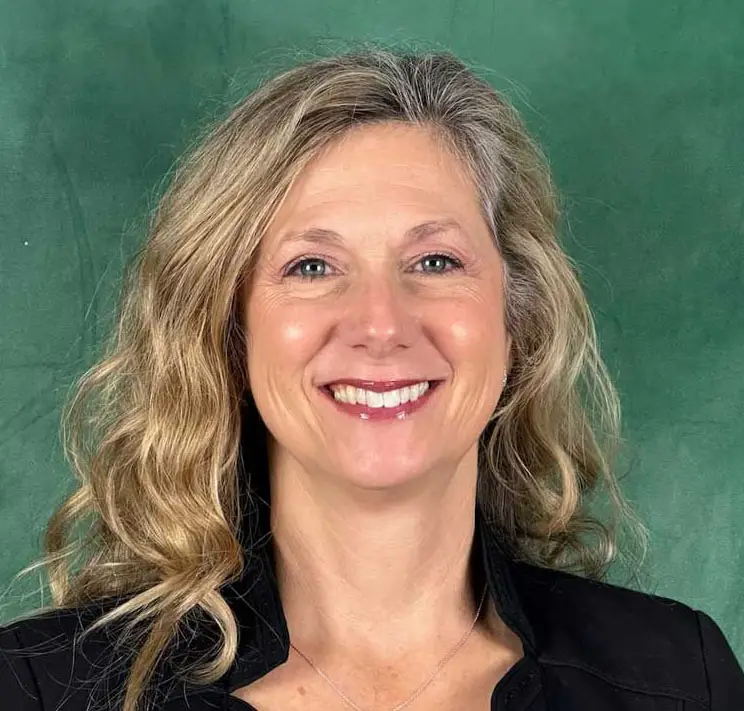
Nicole Wilson
Nice to meet you!
Licensed Mental Health Counselor (LMHC), Certified EMDR Therapist
I approach therapy from a relational perspective. I believe that we are shaped by our families, and continue to be shaped by our life experiences and the environment around us.
I work in St. Pete – Downtown
My hourly rate is: $185 for individuals and $235 for couples
My specialties are:
Marriage & Relationship issues, Divorce Recovery, Women’s Issues, Anxiety, Parenting Issues, Life Transitions, Certified in EMDR, Certified in Relational Life Therapy, Brainspotting
Let’s get to know each other!
I approach therapy from a relational perspective. I believe that we are shaped by our families, and continue to be shaped by our life experiences and the environment around us. Making connections, learning and healing from our past experiences is a pathway forward to creating a more fulfilling future. I work to help my clients do just that in order to develop better relationships with themselves and with others. I am a Certified EMDR Therapist and also trained in Accelerated Resolution Therapy (ART). I am certified in Relational Life Therapy and trained in the Gottman Method, an evidence-based approach to couples therapy.
My goal is for individuals and couples to emerge from crisis stronger, wiser, and with hope as we work together through the counseling process. Life’s challenges can provide opportunities for personal growth and increased understanding. Here you will be met where you are on life’s journey.
It is an honor and a gift to walk alongside clients through their most difficult journey, holding space for them and helping guide them toward the best version of themselves, living their best life. I am a collaborative therapist and strive to meet clients where they are each time they walk through the door, working at their pace in a safe and welcoming space where individuals and couples can work through some of their toughest challenges and concerns.
A bit more about me…
I received my Master of Arts degree from the University of South Florida. I completed my internship at Suncoast Center for Mental Health and The Tampa Jewish Family Center. I have experience working in a private setting and in Community Mental Health. Prior to my work as a Licensed Mental Health Counselor, I worked in Human Resources, as a School Administrator for a private Montessori School, as well as being a mom raising 2 amazing teenage boys.
The variety of my life and work experiences enrich my work as a clinician and allow me to connect with a wide variety of people. My areas of passion include working with trauma, life transitions, parenting and relationship issues.
My Fun Facts:
- As an only child in a Military Family, I had the amazing opportunity to live in the Philippines and Germany growing up and traveled to many beautiful countries. This unique experience has helped me be open-minded and accepting of others. In addition, it has helped me be more flexible and enjoy new experiences.
- I love nature and enjoy being outside. Connection with nature grounds me; it is in nature where I find peace.
- As a registered yoga teacher (RYT-200) I enjoy subbing classes in my free time. The connection between the mind, body, and soul is critical in healing and finding a sense of inner peace and well-being. I believe our body holds our stories, and yoga helps us understand and accept those stories and have the courage to change the outcome.
- I have a thirst for knowledge and am passionate about learning, especially when it comes to mental health and yoga. I am happy to spend hours reading, e-learning, or heading to a seminar. Call me a nerd, but it fills my cup!
Not Ready to Schedule Yet?
No worries! Leave your information and a Client Care Coordinator will reach out with more information.
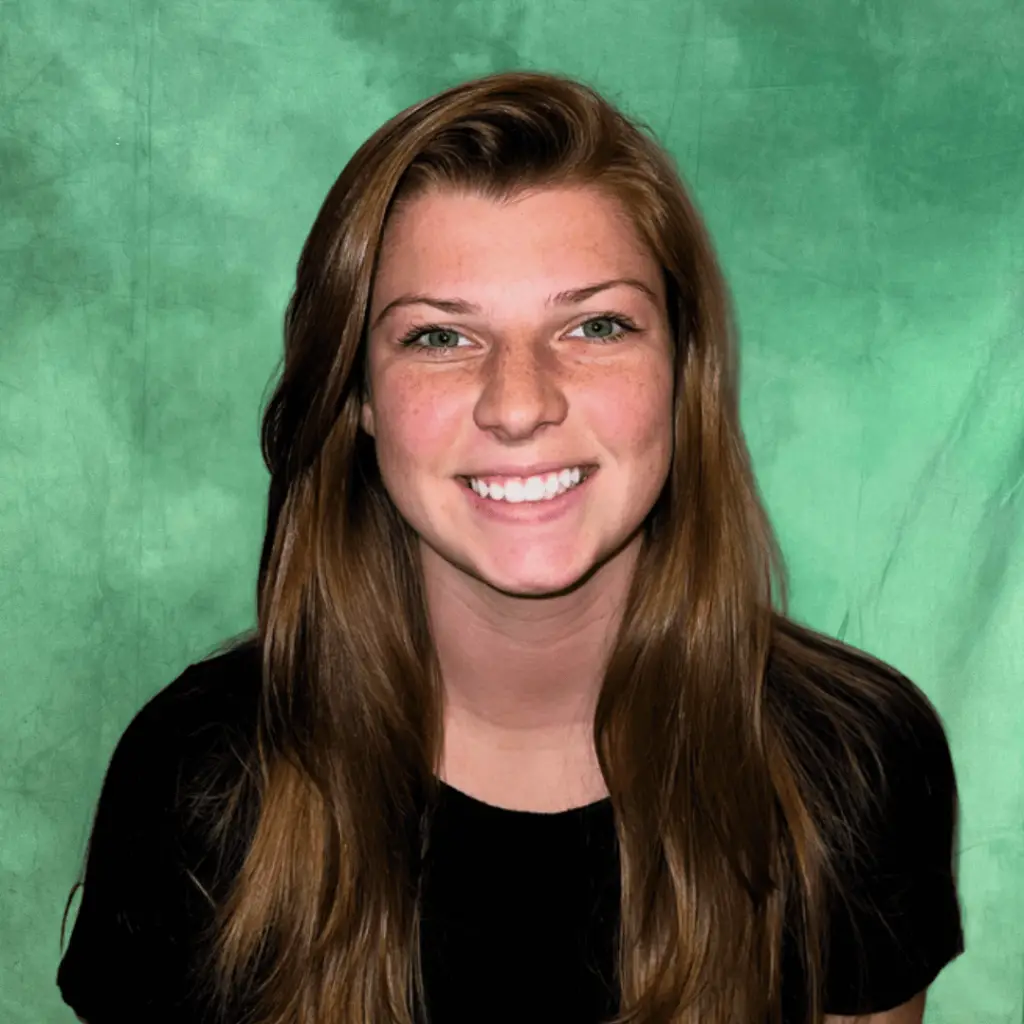
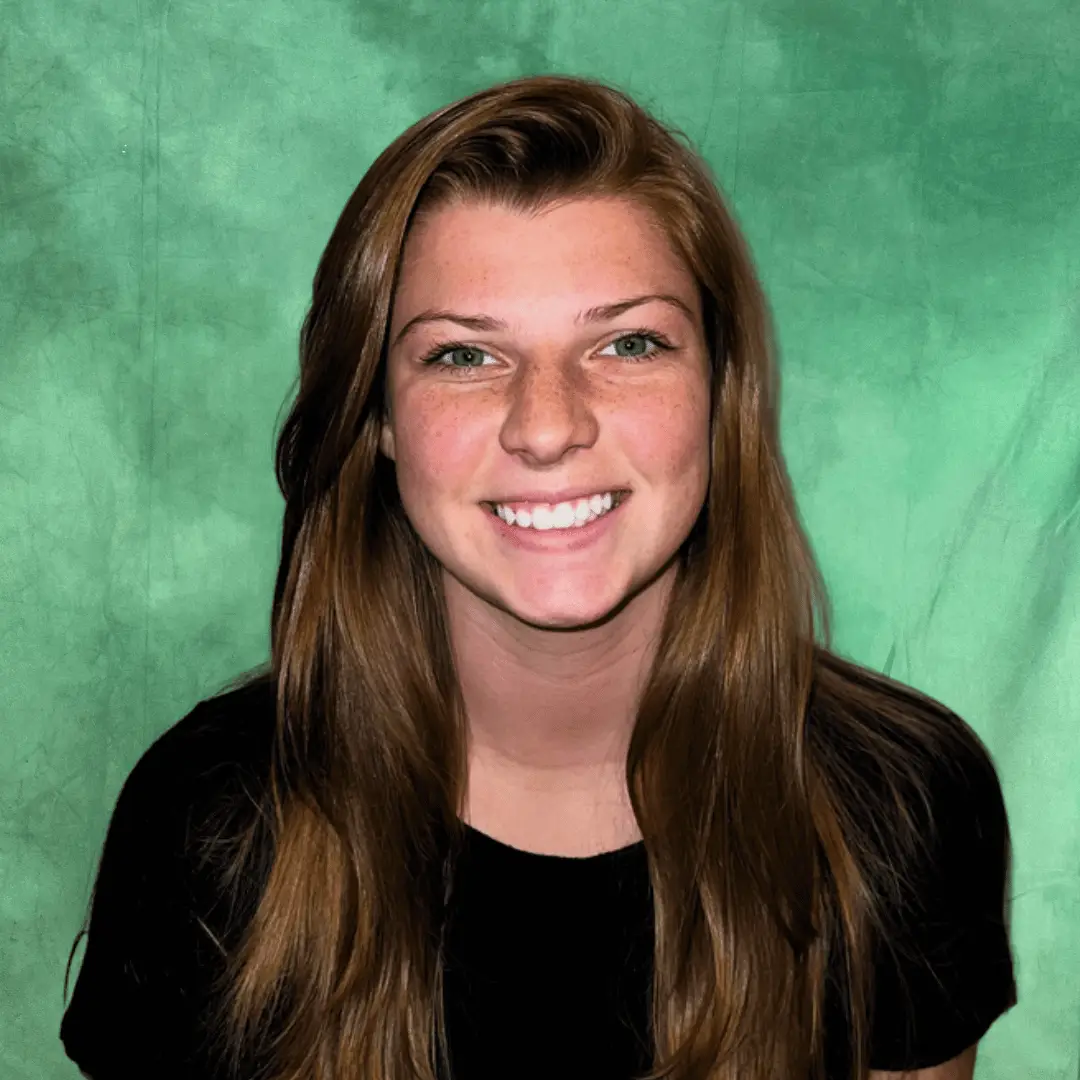
Madison Magnus
Nice to meet you!
Licensed Mental Health Counselor (LMHC)
My specialties are:
- Trauma and PTSD
- Anxiety and panic
- Depression
- Grief and loss
- Self-esteem and identity development
- Social anxiety
- Relationship and interpersonal concerns
- EMDR Trained Therapist
Let’s get to know each other!
A bit more about me…
- EMDR (Eye Movement Desensitization and Reprocessing)
- Cognitive Behavioral Therapy (CBT)
- Acceptance and Commitment Therapy (ACT)
- Exposure and Response Prevention (ERP)
- Dialectical Behavior Therapy (DBT) skills
- Solution-focused strategies
- Creative approaches such as play therapy or art-based interventions
My Fun Facts:
- I love reading, watching documentaries, practicing yoga, staying active through fitness, going to concerts, and traveling. Ireland is currently next on my bucket list.
- When I’m not in session, you can usually find me spending time with my mini goldendoodle Addy and my three cats (Milo, Ozzy, and Margo), reading psychological thrillers, cooking, or enjoying the Florida sunshine.
Not Ready to Schedule Yet?
No worries! Leave your information and a Client Care Coordinator will reach out with more information.
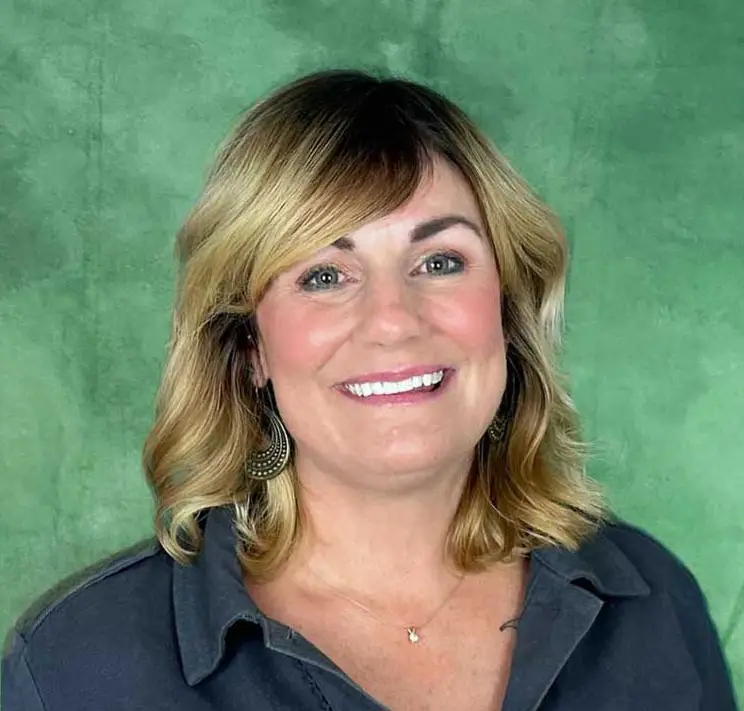
Kiesa DeSimone
Nice to meet you!
Licensed Mental Health Counselor (LMHC)
My passion lies in creating a safe space for you to share openly and deeply, and to create an environment where you can begin the process of healing and growth. My personal approach to counseling is catered towards the belief that when my client is seen and heard, meaningful and positive change can happen!
I work in St. Pete – Tyrone
My hourly rate is: $185
My specialties are:
Trauma, Self-esteem issues, Life transitions, Grief and loss, Anxiety, Depression, LGBTQIA+ affirming, Parenting and relationship issues, Aging concerns.
Let’s get to know each other!
My passion and gifting lies in creating a safe space for you to share openly and deeply, and to create an environment where you can begin the process of healing and growth. My personal approach to counseling is catered towards the belief that when my client is seen and heard, meaningful and positive change can happen!
As a licensed mental health counselor, we can work together in a collaborative effort to give you the tools, insight and empowerment to create something different in your life. My style has been described as soothing, comforting and compassionate, and I draw on this to create a place where you can feel safe to be gently challenged and feel capable of recognizing your own strength. I utilize an eclectic and holistic approach to therapy, including EFT (emotion focused therapy), TFCBT, (trauma-focused cognitive behavioral therapy), motivational interviewing and DBT (dialectical behavior therapy). I am also trained in EMDR, (eye movement desensitization and reprocessing) which I utilize in sessions often to reduce triggers and provide healing from trauma. Part of my sessions will include exploring themes in your past that might be influencing negative beliefs about yourself, in the hopes that if you understand where your beliefs come from, it can help to facilitate compassion for yourself and bring positive change. I truly believe that understanding how to love yourself can lead to amazing things.
I view our session together as your time, and I stress the importance of being a consistent presence to be able to help you to share in the way that meets your needs. I may ask you a question at the start of our session, like “What feels important to talk about today?” Therapy can be intimidating, and it can be a huge step for someone to seek help, and I am honored that I can be a part of the process of your journey!
A bit more about me…
I received my bachelor’s in Psychology from the University of Northwestern, and then went on to complete the first two years of my master’s in clinical counseling at Denver Seminary, and the last half at Argosy University. As a licensed mental health counselor, I have experience in helping individuals including pre-teens, adolescents, young adults and older adults, couples and families in various settings. I have worked in case management and counseling in an addictions setting, as well as three years in a community mental health setting. I had the honor of going into peoples’ homes for therapy for several years, which gave me a deeper understanding of what my clients were going through in their own environments. Being in the community mental health setting has increased my understanding of complex and traumatic issues, and attempting to understand external and internal factors that are influencing behavior and thinking patterns. My areas of passion include trauma, self esteem, life transitions, grief/loss, anxiety, depression, LGBTQIA+ Affirming, parenting and relationship issues, and aging concerns.
I am excited to start this process of healing with you, and I feel blessed to be able to share in growth and change in your life.
My Fun Facts:
- I am a proud mom of four adult children, and they live all over the country, including Colorado, Kansas and Florida. They are all so unique and special, and I enjoy visiting them as often as I can.
- I “dated” my husband in Colorado in middle school, (which consisted of smiling at each other across the hall and briefly holding hands), and then I broke up with him in the cafeteria. Twenty five years later we discovered each other again, and now have been married for five years.
- I love going to the beach as often as I can, and find it incredibly soothing. I enjoyed the mountains in Colorado Springs, CO, where I grew up, but I feel that the beach gives me the same feeling of peace.
- I enjoy music very much and sometimes use it in my therapy sessions. If you look at my playlist right now it ranges from pop to heavy metal.
- I have two very cute and naughty dogs – Remington the weiner dog and Winston the Great Dane. They bring so much of joy to our family.
Not Ready to Schedule Yet?
No worries! Leave your information and a Client Care Coordinator will reach out with more information.
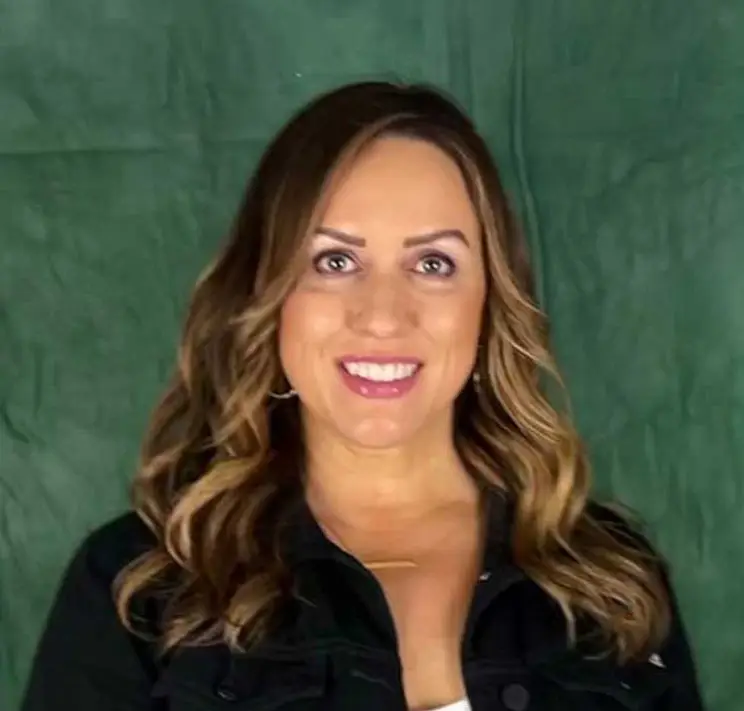
Joy Laurila
Nice to meet you!
Master of Social Work (MSW) and Licensed Clinical Social Worker (LCSW)
Let’s find your Joy! My goal as a therapist is to create a safe space where you feel genuinely heard and supported. We can work together to identify your strengths, heal old wounds, find new ways of thinking, and learn new skills.
I work in St. Pete – Tyrone
My hourly rate is: $185
My specialties are:
Anxiety and Depression, Eating Disorders, including Anorexia, Avoidant Restrictive Food Intake Disorder, Binge Eating Disorder, Bulimia, and Other Specified Feeding or Eating Disorder, Body Image Concerns, Bipolar Disorder, Borderline Personality Disorder, Family Conflict, Grief, Life Transitions, Mood Swings, Obsessive Compulsive Disorder, Relationship Concerns, Self Esteem Concerns, Trauma, Walk and Talk Therapy
Let’s get to know each other!
Life is full of twists and turns. We all have a story, and we all have successes and challenges. You don’t have to face the challenges alone. Trusting another person with your story and honestly facing yourself is courageous.
Let’s find your Joy! My goal as a therapist is to create a safe space where you feel genuinely heard and supported. We can work together to identify your strengths, heal old wounds, find new ways of thinking, and learn new skills so that you can show up in your life and relationships as your best self.
A bit more about me…
From a young age, I knew I wanted to understand and support others. My rational, sensitive, and empathic nature is a natural fit for therapy. My clients can expect warmth, compassion, sensitivity, trust, honesty, respect, and collaboration. We will work together to identify and question negative thoughts and to understand the source of specific behavioral and emotional patterns. Clients have described me as having a gift of meeting you where you are while challenging you to meet your goals. With the right tools and a different approach to stressful situations, I guarantee a more balanced and peaceful outlook on any issue that life brings your way.
I also believe we can incorporate humor into therapy so you can expect to laugh together whenever possible.
Every client is unique, and we will work together to identify the best approach for you. I offer individual therapy for teens and adults. I have specialized training in eating disorders and provide family-based treatment for teens and families struggling with an eating disorder. I draw from various treatment modalities such as Cognitive Behavioral Therapy, Dialectic Behavioral Therapy, Acceptance and Commitment Therapy, Family Based Treatment, Internal Family Systems, Psychodynamic Therapy, Exposure and Response Prevention, Positive Psychology, Motivational Interviewing, and Mindfulness. I also offer Walk and Talk Therapy for those that may benefit from that form of therapy.
First and foremost, the therapeutic relationship is the most critical aspect of therapy, and I hope to earn your trust.
I grew up in Northern Michigan and obtained my Bachelor’s Degree in Social Work from Northern Michigan University. I moved to Minneapolis, Minnesota, and worked in a medical setting while attending graduate school. I obtained my Master’s Degree in Clinical Social Work from The University of St. Thomas in St Paul, Minnesota, in 2006. I have experience practicing in numerous levels of care, but my passion lies in outpatient therapy. I moved to Florida in July of 2021. I consider myself adventurous and have enjoyed exploring the area and experiencing all the beauty that Florida offers. I love spending time with family, friends, and my pets. If you see me in the morning, you will also learn that I love coffee! I would consider it a privilege to be a part of your story, and I hope to meet you soon!
My Fun Facts:
I learned to water-ski at the age of 6. I water-skied almost every day in the summers while growing up, and as a child thought I would be a professional water skier. Luckily, I outgrew that particular professional goal and decided to become a therapist!
I have been skydiving twice and would recommend it to any thrill seekers.
I love outdoor activities, but my favorites include downhill skiing, kayaking, and walking/running. I have participated in many fun runs and love to put on a costume to do so.
I love to read and was part of a long-standing book club in Minneapolis. We even started to take trips together!
I have a Maltese/silky terrier named Eddie and recently adopted a tuxedo kitten named Jack. They have become the best of friends, and I am always happy to share photos of them cuddling. I also love spending time with them, along with family and friends, and I have loved hosting visitors from the Midwest whenever I get the chance.
Not Ready to Schedule Yet?
No worries! Leave your information and a Client Care Coordinator will reach out with more information.
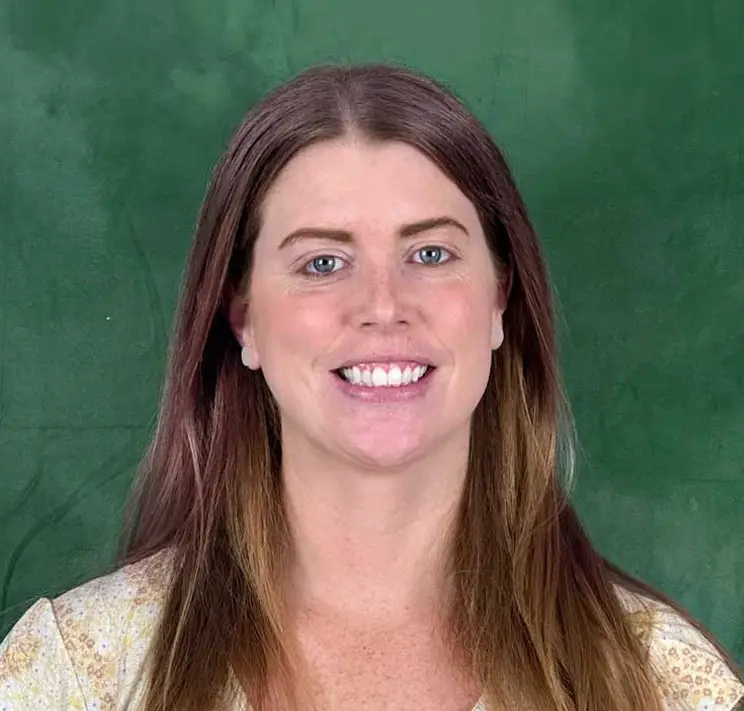
Emily Tripp
Nice to meet you!
Licensed Mental Health Counselor (LMHC)
My passion is assisting my clients by helping them repair their relationships with themselves and others. I focus on empowering individuals to express their emotions through various outlets, communicate their needs, and find their purpose.
I work in St. Pete – Downtown
My hourly rate is: $185 for individuals and $235 for couples
My specialties are:
Stress Management, Anxiety & Mood Disorders, Self-Esteem, ADHD, Emotional Regulation, Life Transitions, Trauma, Addiction, Couples/Marital Therapy, LGBTQIA+
Let’s get to know each other!
I’m a Licensed Mental Health Counselor with a Graduate Certificate in Marriage and Family Therapy. I specialize in various therapeutic modalities, as well as talk therapy, to improve the connection between emotions, thoughts, and behaviors. Before private practice, I worked in multiple settings, including inpatient, outpatient, and holistic wellness counseling centers.
My passion is assisting my clients by helping them repair their relationships with themselves and others. I focus on empowering individuals to express their emotions through various outlets, communicate their needs, and find their purpose.
A bit more about me…
With the increasing dependency of technological advancements, society is moving away from the ability to have meaningful connections. Studies have shown correlations with higher anxiety, depression, and attention/comprehension affiliated issues related with increased screen time. Consequently, this results in increased isolation, imposter syndrome, the need for instant gratification, and low feelings of self-worth. I strive to help people achieve their goals of finding a sense of purpose, boosting confidence, and letting go of stressors that have consumed them.
I make clients feel comfortable with my nontraditional approach to counseling by using a range of modalities. In addition, I would consider my personality more relaxed while also knowing when to assert recommendations. In a time where individuals struggle to feel validated, it is my goal to create a safe space to help clients feel that they can trust again. By helping access the inner strengths from within, we can work together to increase a sense of awareness, connection, and ability to foster mindfulness. You are not alone. Integrating various healing components to the mind, body, and spirt can bring forth a sense of long-lasting fulfillness.
Working with clients of all ages and backgrounds grants me the experience to help tackle issues as they occur. Life transitions can be unpredictable so whether switching schools, divorcing, job changes, or death; these parts of life can promote deeper meaning. A common denominator expressed within various clients tends to be similar; feeling stuck, high expectations, unresolved trauma, stress or conflict, and shame. Nevertheless, there is an opportunity to help you heal again and uncover the potential root of the problems.
I hold additional trainings in EMDR (Eye Movement Desensitization and Reprocessing) trauma therapy and a Graduate Certificate in Marriage and Family. I studied systemic issues throughout schooling in addition to individual therapy. I am a current member of the Suncoast Mental Health Counseling Association and the International Honor Society in Psychology. The alternative modalities I have experience with conducting individual/group therapy contains music and art therapy. These can be phenomenal tools to help uncover what the mind can’t fully articulate or extract. Lastly, I utilize both Eastern and Western philosophies to accommodate an extensive range of multicultural and eclectic backgrounds. I look forward to working with you!
My Fun Facts:
- I love music and believe it has many healing benefits. In my past time, I enjoy attending music festivals and concerts of all genres. My favorite types of music are alternative rock, metal, rap, flamenco, smooth jazz, and dance.
- I have been a fitness enthusiast for over ten years. I enjoy all things strength training, running, high intensive interval training (HIIT), skateboarding, biking, and kickboxing. My heart will always be with strength training and running.
- I have two amazing daughters– aged five and one-year. They are my purpose and meaning for life and am so grateful to be their mommy.
- I received my Master of Arts degree in Rehabilitation and Mental Health Counseling from the University of South Florida in Tampa. I graduated with my Bachelor of Arts degree in Psychology from the University of South Florida in DTSP. (Go Bulls!) I attended St. Petersburg College for my Associate of Arts at the Gibbs campus.
Not Ready to Schedule Yet?
No worries! Leave your information and a Client Care Coordinator will reach out with more information.
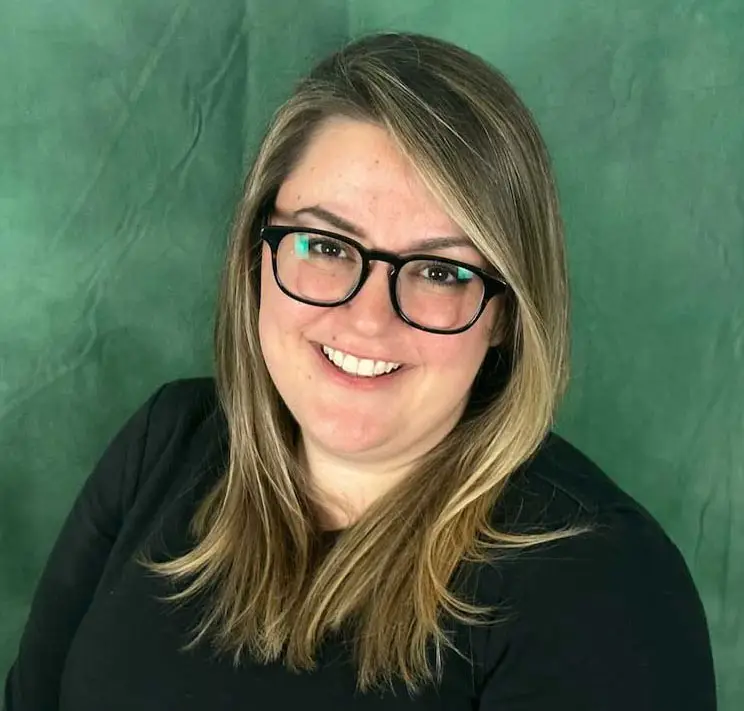
Emily Camera
Nice to meet you!
Licensed Clinical Social Worker (LCSW)
I want to help you uncover your inner strengths and empower you to rewrite these stories so that you can experience life in the way that feels authentically you in accordance with your vision and not the expectations or opinions of others.
I work in St. Pete – Tyrone
My hourly rate is: $185
My specialties are:
Borderline Personality Disorder, Dialectical Behavior Therapy (DBT), Acceptance and Commitment Therapy (ACT), and Accelerated Resolution Therapy (ART). LGBQ and TGEQ individuals, and folks who are exploring their gender, sexuality, and sexual interests. My office is a space that is validating of non-traditional relationship styles and structures, including kink/BDSM and polyamory/non-monogamy and can provide guidance for people interested in pursuing or learning more about these types of relationships.
Let’s get to know each other!
A bit more about me…
I love working with adolescents, young adults, and millennial-aged individuals, and I specialize in the treatment of borderline personality disorder, trauma, and anxiety. I take a holistic approach to therapy, leaning heavily on the teachings of Dialectical Behavior Therapy (DBT) and Acceptance and Commitment Therapy (ACT).
I incorporate Accelerated Resolution Therapy (ART) with most clients. I don’t believe that therapy is a “one size fits all” approach, and I enjoy the ability and flexibility to get creative to ensure you have all the tools you need to live the life you want. As a queer woman, my office is safe and affirming for my LGBTQ siblings and peers and all who are exploring their sexuality, gender identity, and sexual interests.
I am sex-positive, polyamory- and kink-knowledgeable, and I have the expertise and lived experience for clients who practice or are interested in non-traditional relationship styles and structures.
I received my Bachelor’s in Psychology from the University of North Carolina at Chapel Hill and then my Master’s in Social Work from Stony Brook University in New York. I obtained my clinical license (LCSW) in 2018 while living in Delaware, working alongside an incredible team of clinicians in a private group practice. There, I further developed my treatment specialties and became known as “the” clinician for severe eating disorders and borderline personality presentations.
From a young age, my generation was taught to embrace the mantra of “toxic positivity.” Research has shown the emotional toll a lifetime of these beliefs can have on a person’s identity formation, especially through adolescence and young adulthood.
As we start to try to answer questions about who we are and what we want out of life, we can feel burdened by the expectations of other people, eventually stifling our true identities so we can stop trying to “fit a square peg in a round hole,” as it were. Adolescents and young/emerging adults deserve better.
You deserve a space where you can be exactly who you are and become who you want to be in a way that makes you feel seen and validated. At its core, I aspire to be exactly the kind of therapist my generational peers, and I, would have needed in our formative years. An authentic, nonjudgmental therapist who genuinely cares about your success will call you out when needed (but gently!).
My Fun Facts:
I’m a HUGE nerd. I attend at least two different comic-cons per year, play dungeons and dragons weekly with my friends, attend the Ren Fest every year, and will watch/read/play anything set in a fantasy-style universe.
I taught myself calligraphy a few years ago, and now it’s one of my favorite hobbies and self-care activities.
I love to travel, and in the few years before I married, I developed an affinity for solo vacationing. I love to fly, and my goal is to “live like a local” whenever I visit somewhere new.
If you open up my Spotify at any moment, you’re almost certain to hear some Broadway soundtrack. I LOVE theatre, and I’ve been in my fair share of community theatre and college productions. I miss performing quite a bit and want to find a way to fit it back into my normal schedule.
As my client, I’ll probably show you a picture of my dogs at some point or another. They’re the best companions I could ask for and are full of love (and energy – which is why you won’t see them at the office!). My best life would be living in a house full of golden retrievers.
Not Ready to Schedule Yet?
No worries! Leave your information and a Client Care Coordinator will reach out with more information.
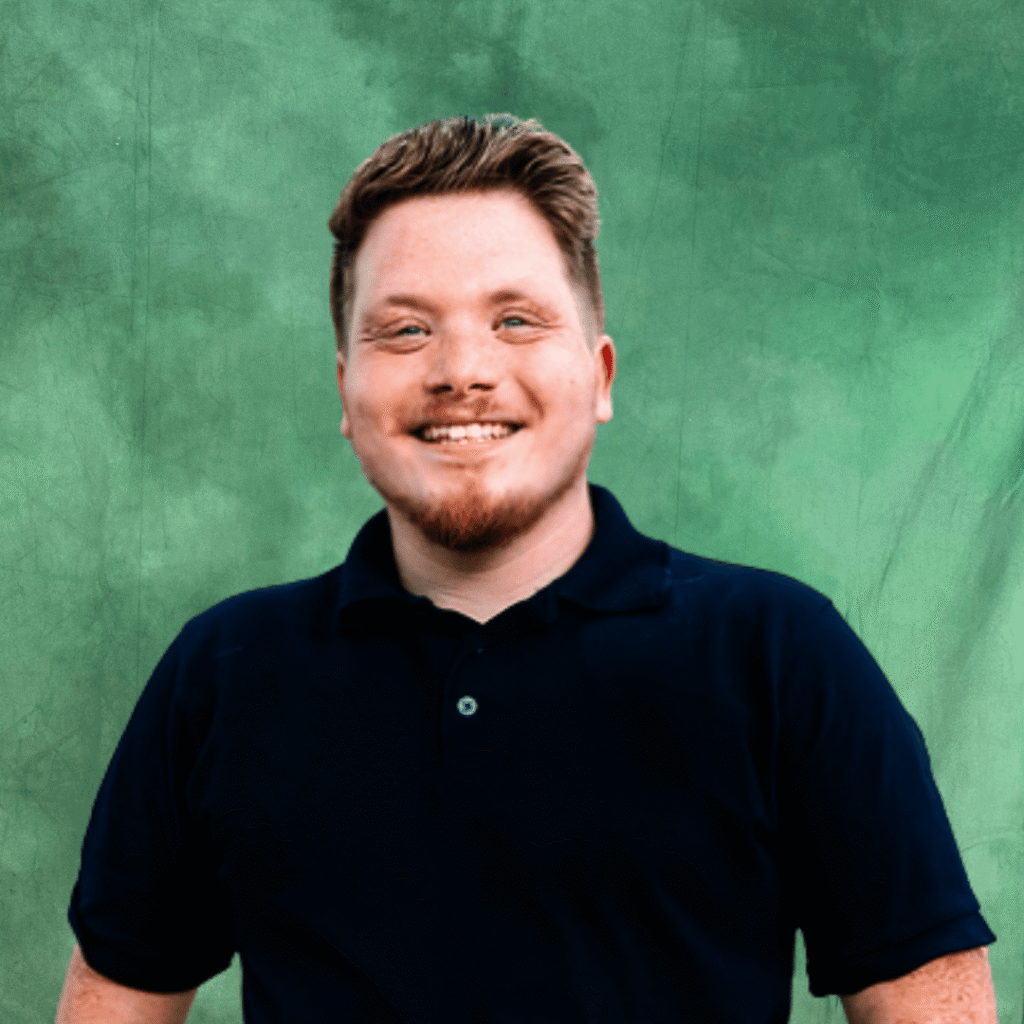
Christopher Rhodes
Nice to meet you!
Licensed Mental Health Counselor (LMHC)
I’m a passionate, licensed therapist that prides myself in helping others navigate life’s challenges with clarity and compassion. Through personalized, evidence-based support, I guide teens, adults and couples toward greater emotional well-being and meaningful change.
I work in Tampa
My hourly rate is: $185 for Individuals and $235 for Couples
My specialties are:
Stress, Anxiety, Depression, Trauma and abuse, Grief, Self esteem, Coping with life changes, Compassion fatigue, Attachment issues, Codependency, Communication problems, Control issues, Coping with natural or human-caused disaster, Dependent personality, Family problems, Forgiveness, Guilt and shame, Hoarding, Impulsivity, Infidelity, Isolation / loneliness, Life purpose, Midlife crisis, Process addiction (porn, exercise, gambling), Self-love, Sex addiction, Sexual dysfunction, Sexuality, Social anxiety, Young adult issues
Let’s get to know each other!
As a therapist, I believe that meaningful change starts with feeling seen, heard, and understood. My approach is rooted in building genuine, trusting relationships where clients feel safe to explore their thoughts and emotions. Therapy isn’t one-size-fits-all, and I’m committed to walking alongside each person at their own pace, honoring their experiences, and helping them reconnect with their strengths.
I work with teens, adults, and couples facing a wide range of concerns—from anxiety, depression, and life transitions to sexual dysfunction, stress, and relational challenges. I also have a special passion for supporting couples in deepening emotional intimacy, improving communication, and rebuilding trust using research-based Gottman techniques. Whether you’re navigating a major life change or simply feeling stuck, I’m here to help you move forward with clarity and purpose.
Each session is intentionally tailored to meet your unique needs. I draw from evidence-based modalities including Cognitive Behavioral Therapy (CBT), Solution-Focused Brief Therapy (SFBT), Dialectical Behavioral Therapy (DBT), Client-Centered Therapy, Gottman techniques, and Positive Psychology. These approaches allow me to help clients challenge unhelpful thought patterns, develop practical coping strategies, and build on their existing strengths in a way that feels empowering and sustainable.
Whether you’re stepping into therapy for the first time or returning to continue your personal growth, I’m here to support you with empathy, encouragement, and evidence-based care that truly fits your life.
A bit more about me…
Outside of the therapy space, I’m someone who genuinely loves connecting with my community. I believe healing doesn’t just happen in sessions—it happens in the little moments of daily life, relationships, and self-discovery. My passion for mental health is deeply rooted in a desire to help others feel more at ease in their own skin and more confident navigating the ups and downs of life.
When I’m not working with clients, you might find me getting involved in local community projects, enjoying the slower pace of small-town living, or simply recharging with a good book and a cup of coffee. I bring that same grounded, thoughtful energy into my sessions—meeting people where they are and helping them feel both supported and empowered.
As a therapist, I’m always learning and growing, just like the clients I work with. I stay current with continuing education and regularly explore new tools and techniques that may benefit the people I serve. My goal is to provide a space where you not only feel safe and heard, but also inspired to make meaningful changes that last.
My Fun Facts:
- My wife and I live in Brooksville, FL with our 5 cats and German Shepherd (all rescues!)
- I love photography and utilize old film cameras.
- I went to Flagler College in St. Augustine, FL as well as Nova Southeastern University in Tampa, FL.
- I collect vinyl records.
Not Ready to Schedule Yet?
No worries! Leave your information and a Client Care Coordinator will reach out with more information.
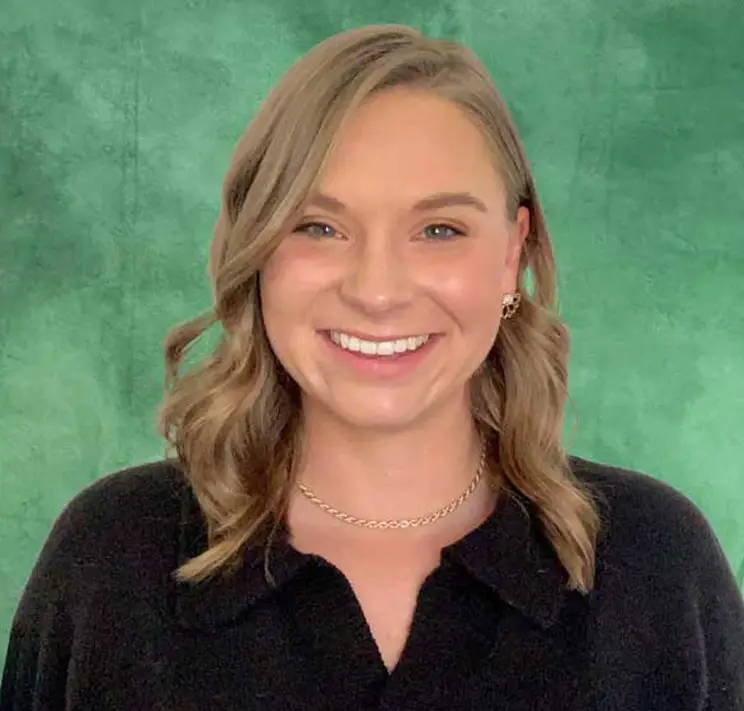
Brittany Hoff
Nice to meet you!
B.A., M.S., Licensed Mental Health Counselor (LMHC)
Together, we will identify the challenges you are currently experiencing and determine what you want to gain through counseling.
I work in Sarasota
My hourly rate is: $185
My specialties are:
Anxiety, Depression, Mood Disorders, Substance Use Disorders, Trauma-related symptoms, Self-esteem issues, Relapse prevention, Life challenges, Family conflict, Relationship issues, Communication challenges, Walk and talk therapy, Adolescents, young adults, adults
Let’s get to know each other!
The therapeutic relationship is one of trust, respect, and an alliance toward achieving your overall well-being. Acknowledging areas of your life that you would like to improve and deciding to do what it takes to make those changes takes a lot of courage and strength. If you feel guilty about the past, overthink the present, or worry about the future, you may benefit from having someone to talk through these things.
Together, we will identify the challenges you are currently experiencing and determine what you want to gain through counseling. Whether it be exploring your past to find the significance and meaning in certain events, providing you with healthy coping skills to overcome and work through obstacles, or setting objectives and working towards the best version of yourself – I will be by your side to help you navigate the process and achieve your goals.
A bit more about me…
I graduated from the University of South Florida Sarasota-Manatee with a Bachelor’s Degree in Psychology and from Walden University with a Master’s Degree in Clinical Mental Health Counseling with a specialization in addiction. I have worked specifically with the substance use population for the past six years, working in detox facilities, residential programs, and outpatient settings.
My goal is to educate you about the disease of addiction while providing you with relapse-prevention skills to help you maintain long-term sobriety and improve your overall mental well-being.
While working with the substance use population, I have found that substance use and mental health issues often coexist, and both require hope, compassion, and support to overcome. I am honored to take this journey with you and look forward to working together!
My Fun Facts:
My happy place is by or on a body of water! I love paddle boarding in the mangroves, springs, and rivers and am always looking for new places to explore. I moved to Sarasota in 2015 with the idea that I would be at the beach every day, and although I didn’t achieve this goal, I try to keep it a regular part of my self-care routine.
I love yoga! I’ve been practicing for over eleven years and find being on the mat incredibly healing. I completed my YTT in August of 2023 and incorporate trauma-informed yoga into my counseling program.
I have a corgi and my favorite thing to do after a long day is to hang out with her, my two cats, and my partner on the couch reading my kindle!
I am a total nerd when it comes to the brain. I plan on getting my doctorate in neuropsychology to keep me updated on the most recent research so that I can provide you with the most effective techniques for hacking your nervous system! I’ll do my best to keep neuroscience to a minimum in session, but I think it is so essential to understand the science behind your experience.
Not Ready to Schedule Yet?
No worries! Leave your information and a Client Care Coordinator will reach out with more information.
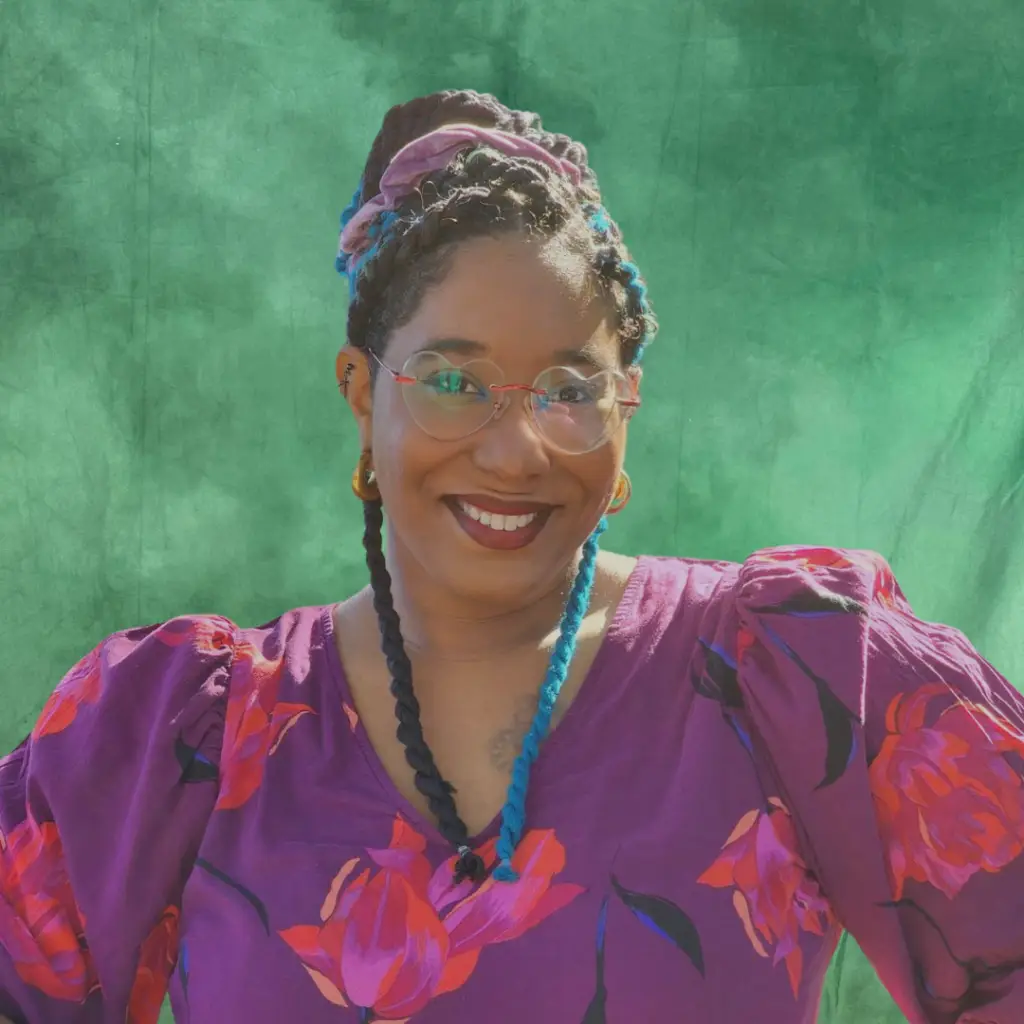
Ashe Sullivan
Nice to meet you!
Licensed Mental Health Counselor (LMHC)
I cannot wait to begin a new journey with you. Mentors in the past have told me that, every client is the foremost experts on themselves—and I agree! In counseling, my main goal is to support you while you take the next steps in your personal journey. My office and conversations with me are a safe space for us to find you in the middle of.
I work in Tampa
My hourly rate is: $185
My specialties are:
Grief, Loss, Maternal Mental Health, Trauma, Acute Traumatic Experiences, PTSD, Other Mood Disorders, Major Depression, Anxiety, Suicidal Ideation, LGBTQ+, Adjustment
Let’s get to know each other!
I am a Registered Mental Health Intern with roughly 2 years of experience in therapeutic work, specializing mainly in grief/loss, trauma, and behavioral disorders. I have experience in telehealth video sessions as well as in-person work. My main approach with clients is humanistic and heavily client-centered; the other main component to my approach is trauma-focused work.
I cannot wait to begin a new journey with you. Mentors in the past have told me that, every client is the foremost experts on themselves—and I agree! In counseling, my main goal is to support you while you take the next steps in your personal journey. My office and conversations with me are a safe space for us to find you in the middle of.
I have dabbled in a few positions in order to learn how to help each client individually, to tailor my approach. My main goal has always been to land in private practice, engaging in the face to face work with each client. My most expansive experience is with those struggling with:
- Depression
- Grief and Recent Loss
- Obsessive Compulsive Disorder
- Trauma
- Post-traumatic Stress Disorder
Although my service with clients has ranged across all ages and many disorders or life situations, I primarily work with:
- Adolescents
- Young Adults
- Adults (of all ages!)
A bit more about me…
I welcome all individuals regardless of religion, age, gender, sexuality, ability, culture,and more. Clients will find in session with me, they are at the ‘helm’ of our journey. I believe that as a client in the therapeutic space, my obligation is to be alongside you as we engage in the work involved in handling your presenting issue. This means that what a client comes to the therapeutic space with is what we will tackle, together. I do tailor each approach to each client, and our work together is a collaboration between us.
Clients can expect a session with me to look like 50 minutes spent focusing on what they bring into the room. I understand that the thread that runs through therapeutic work is non-linear, so whatever you bring to the table, we will unwrap it regardless of the subject.
I make use of several modalities while working with clients, including CBT, DBT, person-centered theory, humanistic theory, mindfulness interventions, polyvagal interventions, and trauma-focused interventions.
My combination of interventions mean that my approach in session is significantly guided by clients and, specifically means that the focus is on building a strong therapeutic relationship before we delve into deeper parts of our work together. I am able to meet with clients in person as well as over telehealth.
My Fun Facts:
- I am a Registered Mental Health Intern and National Certified Counselor (NCC).
- I am a twin! (The younger of the two!)
- I have played an instrument—the viola—for the last 19 years.
- Some of my favorite things include: coffee, books, new words, ballet, and musical theater.
“When we are no longer able to change a situation, we are challenged to change ourselves.”
– Viktor E. Frankl
Not Ready to Schedule Yet?
No worries! Leave your information and a Client Care Coordinator will reach out with more information.
Aimee Yasin
Nice to meet you!
Licensed Mental Health Counselor (LMHC)
Too often life is full of turning points- times when you must start over or make a big decision, whether by choice or circumstance. Change is hard, whether it’s expected or not. I consider it an honor to assist my clients in navigating life changes.
I work in Sarasota
My hourly rate is: $185 for individuals and $235 for couples
My specialties are:
Couples, Individuals, Adolescents, Emerging Adults, Anxiety, Depression, Personality Disorders, Suicide and Crisis Prevention, De-escalation, Grief, Parent & Child Relationships
Let’s get to know each other!
Too often life is full of turning points- times when you must start over or make a big decision, whether by choice or circumstance. Change is hard, whether it’s expected or not. I consider it an honor to assist my clients in navigating life changes to become the best versions of themselves possible. My passion is supporting couples and individuals as they work through challenging experiences and explore new tools to be successful.
I have worked in the mental health field since 2007 in a variety of settings. I’ve worked in residential treatment facilities, home-based services, community mental health agencies, and crisis services. My experience includes children, teenagers, and adults, ages 6-65.
I have experience providing individual, family, and couples counseling. I have supported goals ranging from stress management and anxiety reduction to grief, trauma processing, and crisis de-escalation. I love working with couples and families as they navigate challenges in their relationships by providing strategies for effective communication, conflict resolution, and effective tools that address underlying areas that are impacting the relationship.
I enjoy working with individuals who experience chronic depression and/or trauma that have resulted in personality disorders. I enjoy working with adolescents and emerging adults. I use interventions from Dialectical Behavioral Therapy and the Gottman Method for couples to assist my clients in understanding the links between their past experiences and current patterns of behavior. My belief is that awareness can create change, which can create healthy minds and relationships.
A bit more about me…
I was raised in Sarasota and graduated from Riverview High School (Go Rams!). I graduated from Florida Southern College with a Bachelor’s degree in Psychology in 2006 (Go Mocs!) and then moved to North Carolina, where I worked at a wilderness residential facility for adjudicated juveniles. In 2010, I moved to Nashville, TN, where I began working in community mental health and attending graduate school at Capella University. I earned my Masters’ degree in Mental Health Counseling in 2013 and became licensed in Tennessee as a Licensed Professional Counseling with a Mental Health Service Provider designation in 2017. Once licensed, my career focused on working with military personnel and their families. I also worked as the Clinical Supervisor for Suicide Prevention and Crisis Stabilization for Centerstone of Tennessee. I opened my own private practice in 2019. Most recently, life circumstances have brought me back to the Sarasota area where I enthusiastically and quickly became a Licensed Mental Health Counselor for the state of Florida. I’m so excited to be back home and to be working in my original community.
I fully believe that starting therapy should be as uncomplicated as possible. You’ve made the decision that counseling would be beneficial for you, and that should be the hardest step you have to make! Today you are one step closer to a new you where you feel empowered and on a positive path to growth and well-being.
I am passionate about helping you find the right path for you. I believe you are the expert of your life, and it is my job to help you identify your true potential. While we can’t change difficult situations of the past, we can work together to better understand and resolve challenges in your life. By applying complementary therapy approaches and techniques, we will unearth long-standing behavior patterns or negative perceptions that may be holding you back from experiencing a more fulfilling and meaningful life.
My Fun Facts:
- My best friend is my pit bull named Blue. I’m convinced he understands everything I tell him!
- I love anything to do with the water. Give me a body of water and some sunshine, and I am set for the day.
- I’m a book worm to the core. My goal for this year is to read 52 books. I enjoy most fiction genres but have most recently been on a psychological thriller kick.
- I proudly support the US military. I have several US Marines in my family (including my brother) and was married to an Army Infantryman for close to ten years.
- At any given time, I have at least 5 different types of to-lists in my possession. Crossing things off my lists gives me life!
Not Ready to Schedule Yet?
No worries! Leave your information and a Client Care Coordinator will reach out with more information.
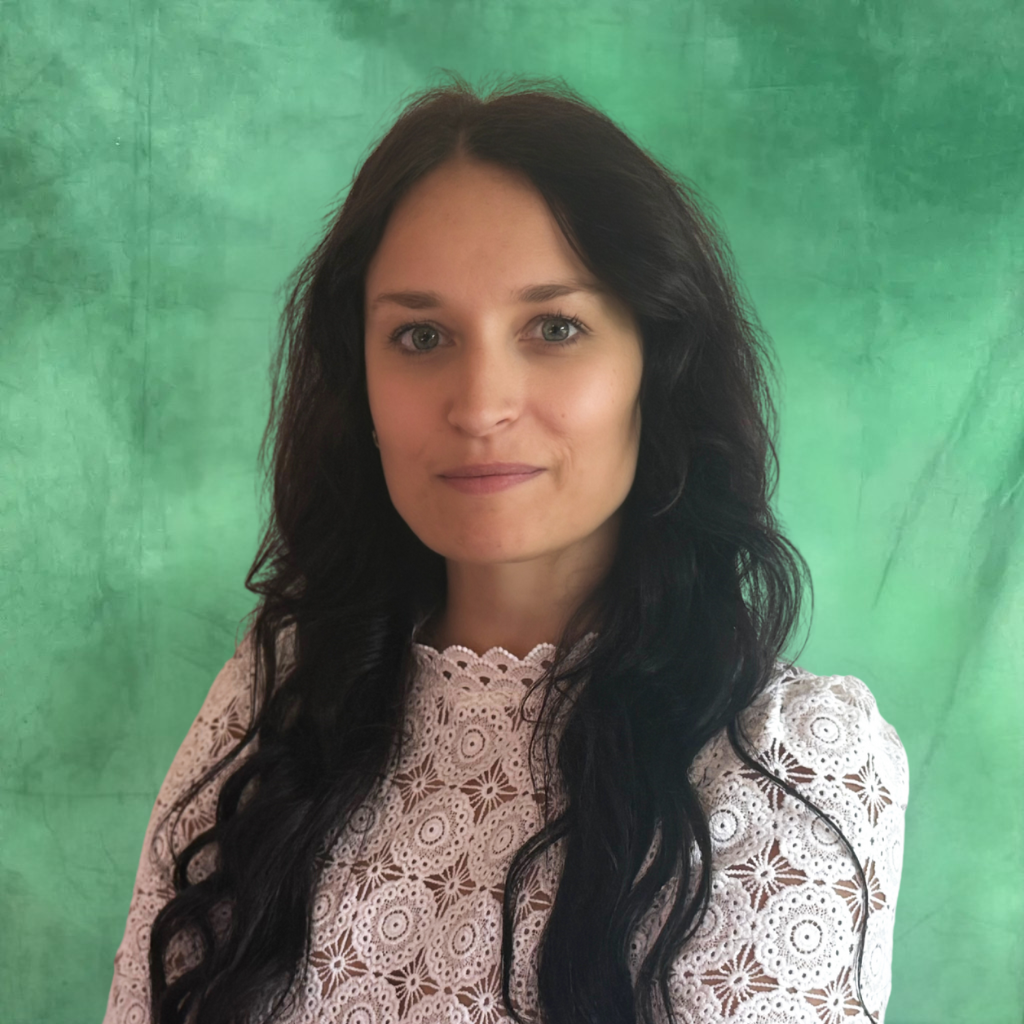
Amanda Glatthaar
Nice to meet you!
Registered Mental Health Counselor Intern (RMHCI)
As your therapist, I am here to walk alongside you in your journey of healing and growth. Our work together provides a supportive space to create joy and meaning in your life. With a background in severe and persistent mental health concerns, I know what it can look like when your mental health and well-being becomes too much to manage. From working with teens and adults struggling with high suicidality to individuals with debilitating mood, thought and personality disorders, I’m ready to help to work through anything that comes up for you.
I work in St. Pete – Downtown
My hourly rate is: $185
My specialties are:
Psychodynamic therapy, dialectical behavior therapy (DBT), self-esteem and development, issues of infertility and parenting, boundaries, life transitions and women’s issues. My therapy is individualized and tailored to your needs – finding out the how and why to come up with a unique approach that provide results and relief.
Let’s get to know each other!
As your therapist, I’m here to help you get to the root of you issues, working through the foundational reasons for you trauma, anxiety, depression, grief, life transitions and more. Together we can create meaningful, long-lasting change at your core as I offer support through whatever life may bring.
I’ve worked with clients from age two to 84 and I look forward to hearing your story. I offer an open and accepting environment where we can explore your experiences and how they have impacted your mental health. Let’s get started!
A bit more about me…
I received my bachelor’s degree in sociology from the University of Washington in Seattle and my Master’s in Rehabilitation and Clinical Mental Health Counseling from the University of South Florida.
I was the recipient of a federal scholarship aiming to provide access to behavioral healthcare in private practice settings and had the opportunity to work with Tampa General in their clinic for my internship. I have worked in intensive therapy settings including Partial Hospitalization Programs and the Pinellas County Jail as well as traditional therapy practice models.
My Fun Facts:
- I have three children, Irish triplets born within three years. You can find us at the beach, making forts in the living room and at the chick-fil-a play place. Its as chaotic as it sounds, and I wouldn’t have it any other way.
- I lived in the Middle East for almost ten years. For a decade, I was the only American in every room. I had wonderful opportunities to learn about other cultures and see pieces of the world beyond the resorts and tourist spots and these experiences continue to inform my therapy work to this day.
- In 5th grade, I was voted most likely to write a book. I haven’t started it yet, but I do love to read them. I’ve run out of bookshelf space and have little book stacks all around my house.
Not Ready to Schedule Yet?
No worries! Leave your information and a Client Care Coordinator will reach out with more information.
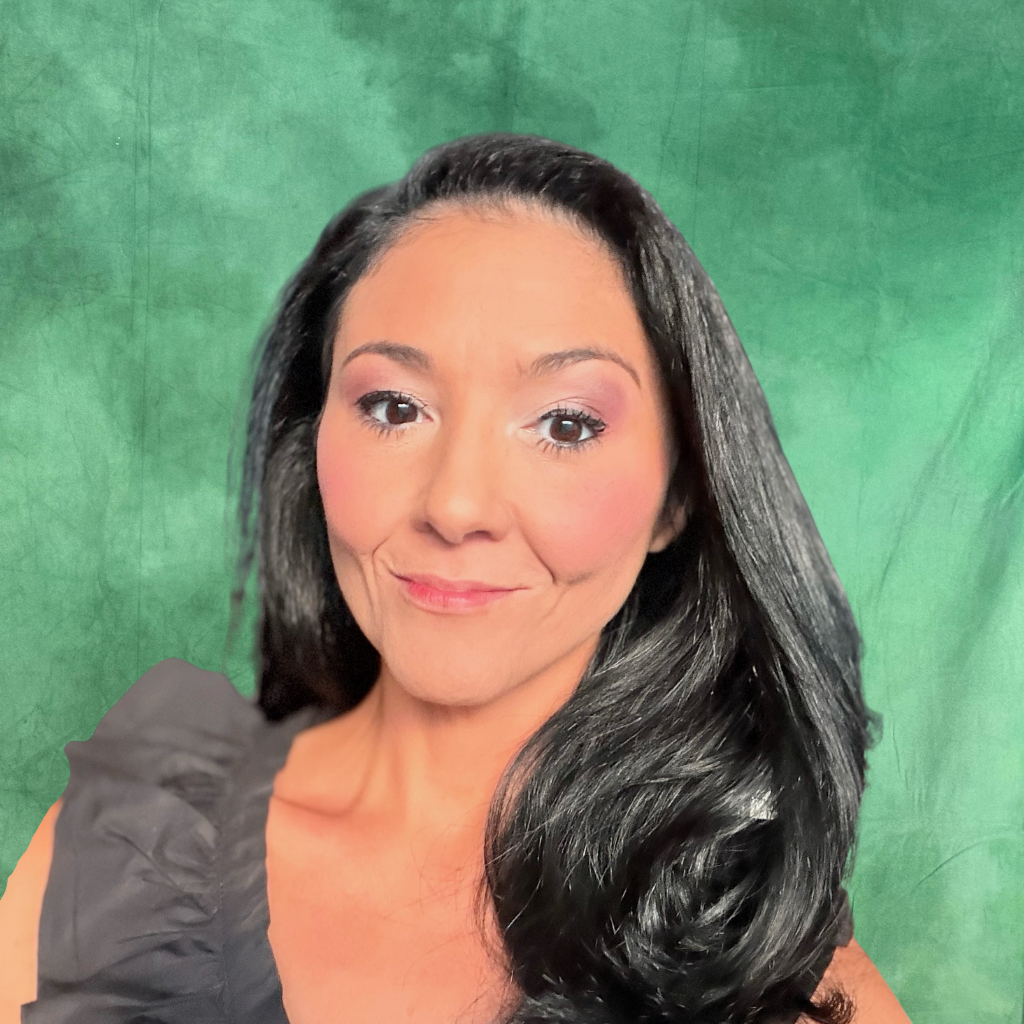
Anna Kitsos
Nice to meet you!
Licensed Mental Health Counselor (LMHC)
I consider it a privilege to be a part of someone’s healing journey. It takes a tremendous amount of courage to show up and be willing to share your vulnerabilities with another person. From the first session, you can expect warmth and recognize safety, so that you can lean into the process. I truly see the good and potential in each person I work with, and taking this step is a reason to feel proud.
I work in St. Pete – Downtown
My hourly rate is:
$185 for Individuals and $235 for Couples
My specialties are:
I work with individual adults, couples, and families and have experience in trauma, abandonment and neglect, depression, anxiety, relational issues, self-esteem, mood disorders, and personality disorders. I provide a person-centered approach and have training, often utilizing Attachment Theory, Motivational Interviewing, Dialectical Behavioral Therapy, Cognitive Behavioral Therapy, Acceptance and Commitment Therapy, and Polyvagal Theory. I also have training in Emotionally Focused Therapy for couples and am currently doing more extensive training in this approach to working with couples.
Let’s get to know each other!
I believe the therapeutic relationship is the foundation for meaningful change. My goal is to create a space where you feel genuinely seen, safe, and connected. This means showing up with attunement and presence, so you can begin to let go of protective barriers and be fully yourself. Many of us carry feelings of shame or isolation, especially when we feel misunderstood by those closest to us. In therapy, connection becomes the antidote—and the starting point for healing. Some days we may laugh, and other days may be a bit heavier. It’s all about what you need and bring into the room that day, and I will be with you to support, validate, or guide you with insight and tools to implement outside the therapeutic space.
A bit more about me…
I began my career in business, driven by a strong motivation to grow and adapt—never remaining stagnant, a value I still hold today. After facing personal hardships, I sought support through counseling but often left feeling more misunderstood than helped. I know what it’s like to carry shame and fear, and how these emotions fuel disconnection and unhealthy patterns. I also know what healing looks like—thanks to therapists who shared their own experiences and helped me rediscover hope. Today, I find purpose in helping others see themselves as whole, not defined by the parts they struggle with. As a clinician, I remain vigilant in continuous training for growth and being able to provide the best care possible!
My Fun Facts:
• I’m originally from TN, and while the sun and beach are wonderful, I miss the seasons and find the mountains amazing. It makes me feel part of something much greater than myself!
• I LOVE roller coasters and white-water rafting, especially when it’s with my 2 sisters!
• I have a 3 year old French Bulldog named Luka who is more than a handful!!!
Not Ready to Schedule Yet?
No worries! Leave your information and a Client Care Coordinator will reach out with more information.

Real Stories From People Who Have Been Where You Are
How Trauma Counseling Helps You Heal
Trauma looks different for everyone, and no matter how your pain shows up, you are welcome here. You do not need a formal diagnosis or a specific story to begin. If something in your past is still affecting your present, you deserve support.
Some of our clients come to us knowing exactly what they have been through. Others are not sure — they just know something feels off. Both are valid.
We are here to listen, support, and help you reconnect with the version of yourself that feels whole, grounded, and in control again.
We work with adults and adolescents who are living with:
- PTSD or complex trauma from childhood, relationships, or repeated stress
- Survivors of emotional, physical, or sexual abuse
- People recovering from narcissistic or controlling relationships
- Those impacted by sudden loss, accidents, or medical trauma
- First responders, veterans, or professionals in high-stress roles
- Anyone struggling with anxiety, depression, or emotional shutdown connected to trauma
Trauma Counseling Near Me
We provide trauma counseling across three Cities on Florida’s Gulf Coast. Whether you prefer in-person sessions or online therapy, our licensed trauma therapists are available in:
Each center offers the same trauma-informed care, flexible scheduling, and a safe space to begin your healing.
Frequently Asked Questions
You’ll start by learning tools to feel safe and regulated—without needing to share your story right away. We’ll build trust first, then gently explore how past experiences are showing up in your life now. You’ll leave sessions with practical strategies to calm your body, quiet your mind, and start feeling like yourself again.
Every journey is unique, but most clients begin feeling more present, clear-headed, and emotionally steady from their very first sessions. By around session 8, many notice sustainable and lasting results in reduced triggers, improved sleep, and a stronger sense of self. We’ll shape your care plan around your specific goals—always focused on helping you feel safe, confident, and free to move forward.
Online trauma counseling is private, secure, and just as effective as in-person. You’ll meet via video, on your terms, and receive the same tools and support—all from the safety and comfort of your chosen space.
We’ll go over pricing clearly and work with you to ensure counseling is accessible. Trauma work is one of the most important investments you can make—restoring peace, safety, and control in your day-to-day life.
You might have PTSD or a trauma-related condition if past experiences are still affecting your present. Common signs include flashbacks, nightmares, trouble sleeping, mood swings, irritability, or avoiding reminders of the event. You may also feel numb, disconnected, or constantly on edge.
Not all trauma shows up as PTSD. Some people experience symptoms without meeting a formal diagnosis. If your nervous system feels stuck in survival mode, or if daily life feels harder than it should, a trauma-informed therapist can help you figure out what’s really going on and how to start healing.
Common therapeutic approaches for treating trauma include EMDR, Cognitive Behavioral Therapy (CBT), and Somatic Therapy. These methods help process painful memories, reduce triggers, and restore a sense of safety in the body and mind. Other approaches like Internal Family Systems (IFS), Dialectical Behavior Therapy (DBT), and trauma-informed talk therapy may also be used based on individual needs.
To cope with triggers and flashbacks, focus on grounding techniques, slow breathing, and reminding yourself that you are safe. Name what’s happening, connect to your senses, and use tools like holding a cold object, describing your surroundings out loud, or breathing in for 4 seconds and out for 6. Over time, trauma-focused therapy can help reduce how often and how intensely triggers show up.